painting treated wood too soon
Some consequences of painting pressure-treated. If you paint pressure treated wood too soon the paint is going to be rejected by the wood as traces of the chemicals and the water works its way out of the wood during the drying process.
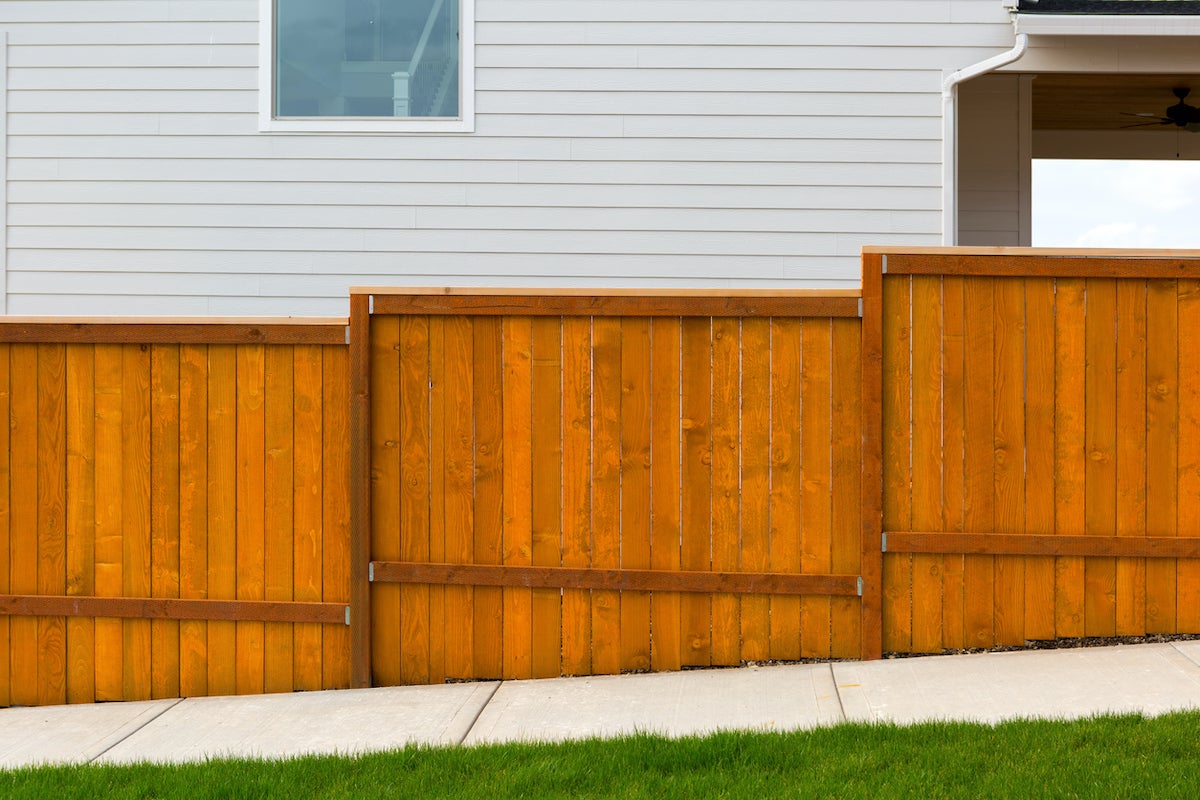
7 Steps For Staining Pressure Treated Wood The Correct Way
It is recommended that you wait to paint treated wood because the chemicals in the treated wood can take up to six months to off-gas.

. Yes you can leave anything unfinished but it will be just that- unfinished. Moreover you will have to. Unless your treated lumber.
What happens if a pressure-treated wood is painted too soon. There is a greater chance that it will still be damp and the water will be trapped. Painting pressure treated wood too soon is undoubtedly an posting which includes an image which you could use for a reference for your information and facts.
Even the treated lumber will deteriorate and decay with time though you could be looking at decades of use still- and it will happen much faster if it is. Its a good idea to paint pressure treated wood as the treatment doesnt render the wood waterproof. For starters it can damage the woods protective coating.
What happens if you paint pressure-treated wood too soon. Painting treated wood too soon can lead to peeling and. Pressure-treated wood has high chemical and moisture levels.
This causes the mold to form. Even the treated lumber will deteriorate and. During this time the fumes from the chemicals can be.
If you paint treated wood too soon the paint will not be able to properly adhere to the surface of the wood. As you probably know. What Happens if You Paint Pressure Treated Wood too Soon.
Dont rush we are going to explain everything right now. What happens if you paint treated wood too soon. It is important to wait the correct amount of time before painting treated wood in order to ensure that the paint will adhere properly.
The paint may dry looking patchy with insufficient adhesion to the wood requiring reapplication in a year or. You may download and. Even treated lumber will deteriorate and.
The board starts to pull in the side direction that shrinks faster than the other. This means the wood may not get the proper coverage. The nuance is that you should not paint treated wood too soon after it has been purchased.
The shrinking of the wood leads to warping. So each time you paint pressure treated wood too soon before it. Eventually unpainted pressure treated lumber will turn gray and start to splinter.
This coating is essential to prevent the wood from becoming wet and rotting which can happen when the paint is applied too soon. What happens if you paint the treated wood too soon. Yes you have the option of leaving anything unfinished but it will only be that.
If you paint treated wood too early the wood risks damage. Pressure-treated wood contains a high level of moisture after it is initially treated.
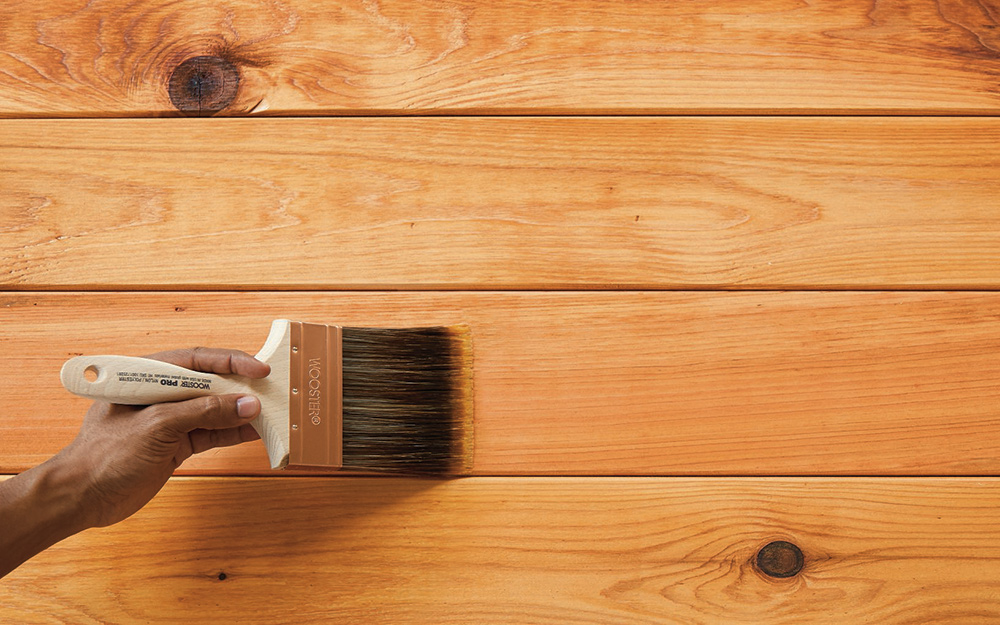
How To Stain Pressure Treated Wood The Home Depot

How Long To Wait Before Staining A Pressure Treated Wood Fence

Our Complete Guide To New Deck Sealing From Seal Smart

7 Tips When Painting Pressure Treated Wood Home Inspection Insider
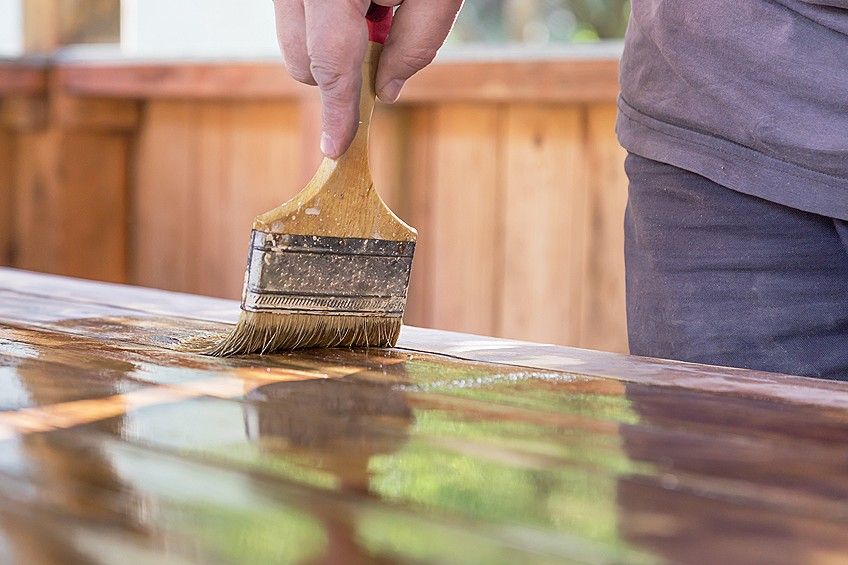
Can You Paint Pressure Treated Wood How To Paint Treated Wood

7 Steps For Staining Pressure Treated Wood The Correct Way

Will Pressure Treated Wood Rot In Concrete Techniques
Can You Paint Pressure Treated Wood
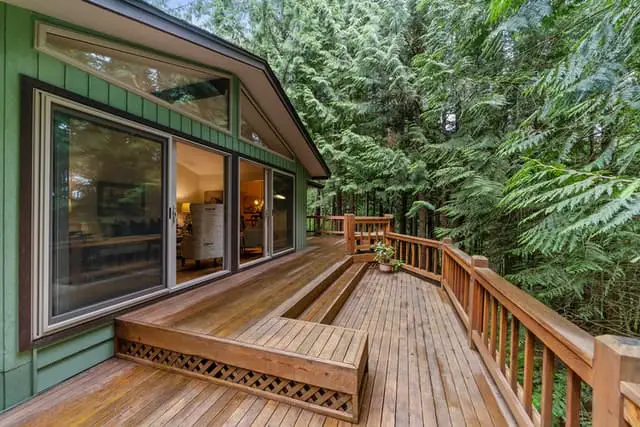
What Happens If You Stain Pressure Treated Wood Too Soon Make From Wood

Can You Paint Pressure Treated Wood Wood Improve

Staining Pressure Treated Wood How To Stain Treated Wood Faster
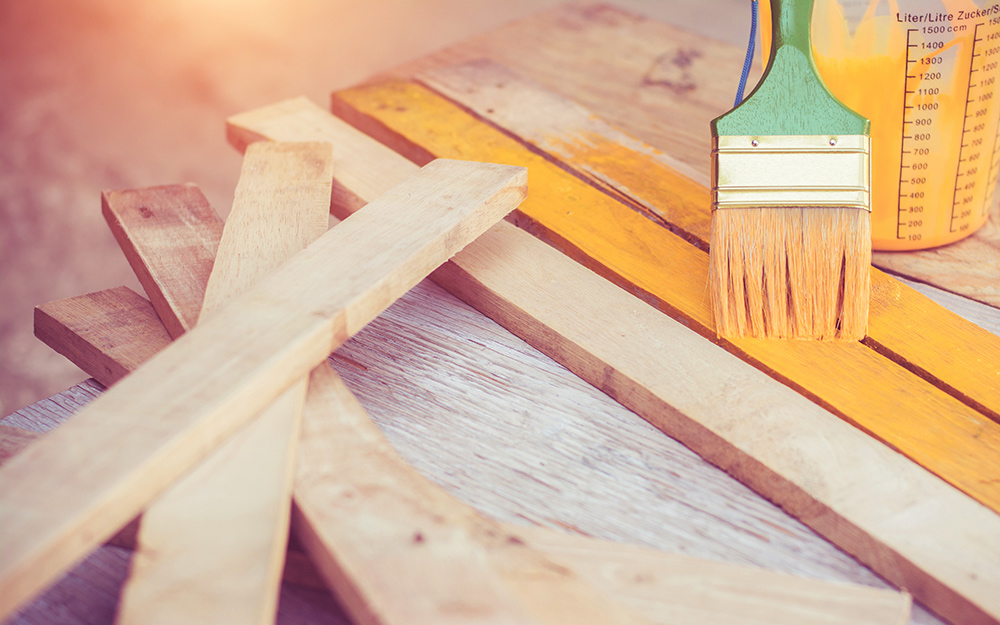
How To Stain Pressure Treated Wood The Home Depot

Can You Paint Pressure Treated Wood The Craftsman Blog

When Is The Best Time To Repaint Wooden Deck Imhoff Painting

Staining Pressure Treated Wood How To Stain Treated Wood Faster
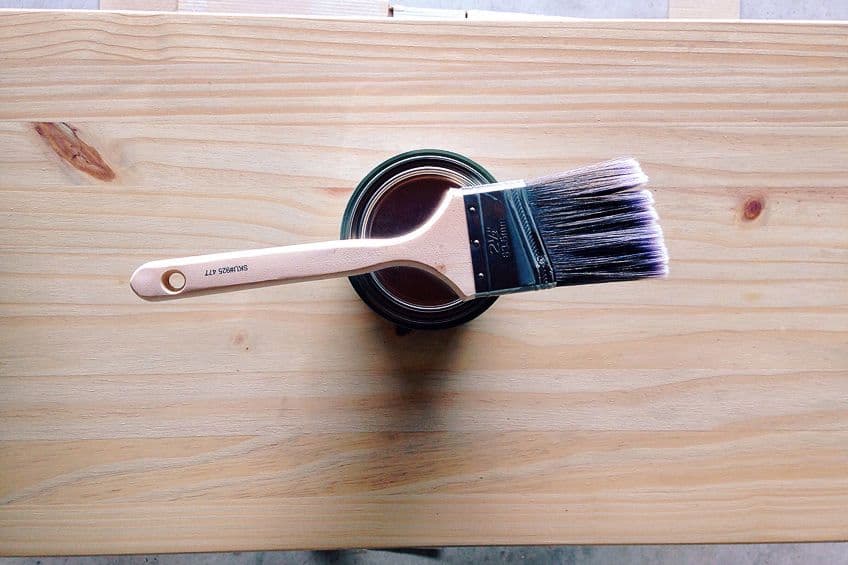
Can You Paint Pressure Treated Wood Painting Treated Wood Easily
Painting Pressure Treated Wood Fixing Our Historic House

Pressure Coach By Pressure Coach Issuu

When Should I Stain My Deck Prim Painting